
Set requirements early. Control quality throughout. Get asset-ready BIM data at handover.

Build the owner-side “digital brief”: OIR/AIR → EIR (what information you need, in what format, at which milestones, and for whom). Define BIM uses, deliverables, LOD/LOI, naming, classifications, and exchange cadence (owner-facing BIM plan / requirements package).
Time: faster alignment; fewer meetings spent debating “what was expected.”
Money: fewer downstream “extra” requests that turn into change orders.
Future options: your data is structured for reuse from day one.
Fewer surprises: gaps are visible early (before procurement/site constraints lock in).

Set up the delivery model: roles/RACI, approvals, milestones, model submission rules, and review workflows (ISO 19650-style information management approach).
Ensure the team’s BEP/project execution planning aligns to owner requirements.
Time: fewer resets when teams drift in standards and submissions.
Money: less rework caused by inconsistent modeling/data practices.
Future options: governance creates repeatable playbooks for future projects.
Fewer surprises: clearer accountability = fewer “nobody owned that” moments.
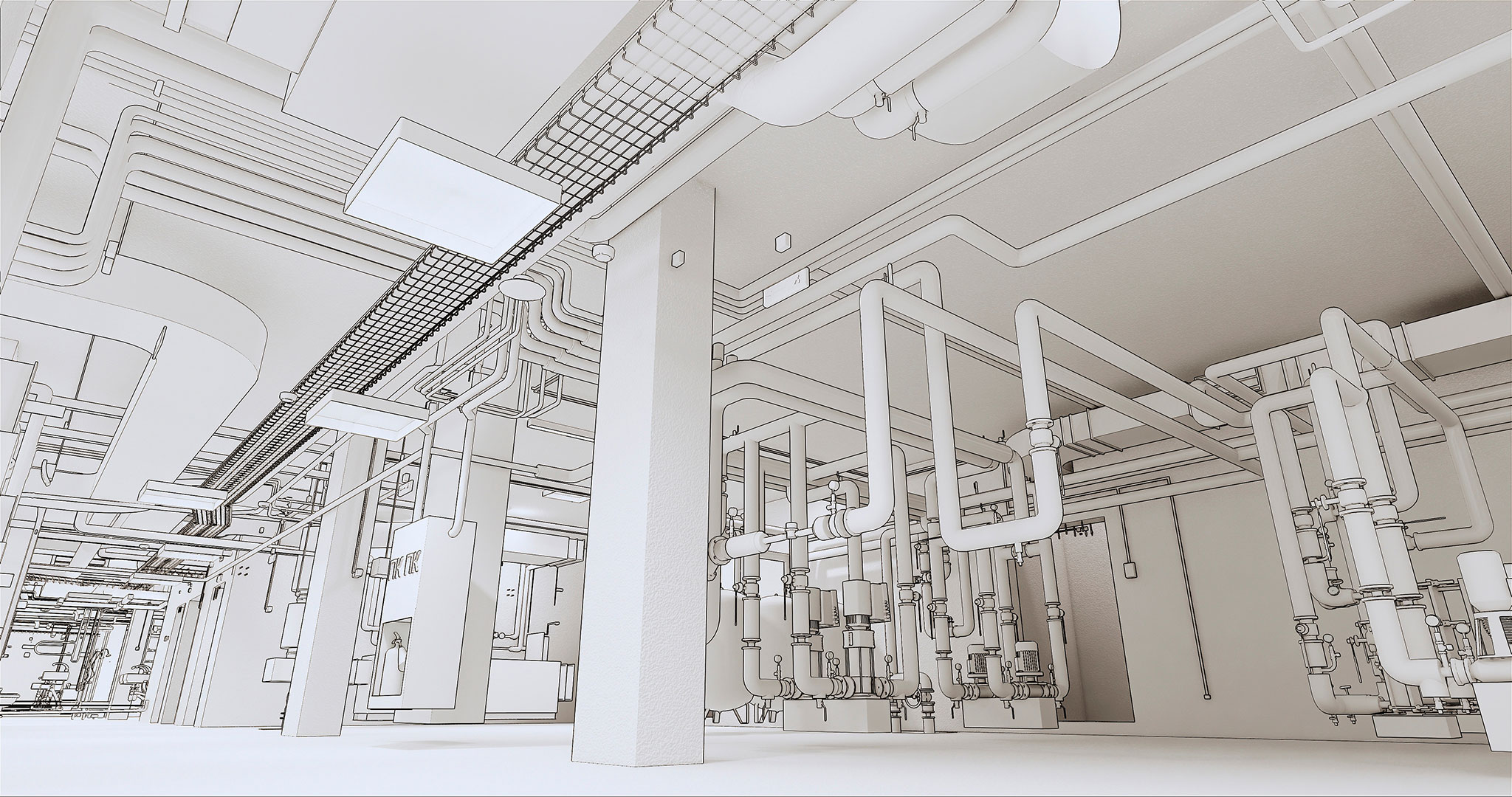
Formal model/data checks at each milestone: model health, naming, parameters, LOD/LOI, exchanges, and “asset data completeness” against your AIR/EIR.
Create a punch-list and closeout process so issues get fixed, not just documented.
Time: fewer late-stage “scrambles” at handover.
Money: prevents expensive fixes when data is discovered missing at closeout.
Future options: higher-quality data enables integrations later.
Fewer surprises: you know what you’re getting before final handover.

Define what “usable digital assets” means for you (asset registry, attributes, documentation, maintainable assets) and implement a structured handover approach (often COBie or COBie-like).
Validate handover packages so operations teams aren’t stuck re-entering data.
Time: reduced manual data entry / backfilling after turnover.
Money: fewer operational inefficiencies from missing or inconsistent asset info.
Future options: smoother FM onboarding, renovations, expansions, benchmarking.
Fewer surprises: fewer “we can’t use this model/data” moments after occupancy.
We’re happy to share relevant examples from current and past projects. Send a few details and we’ll suggest next steps.
